A pause before the sanctions deadline
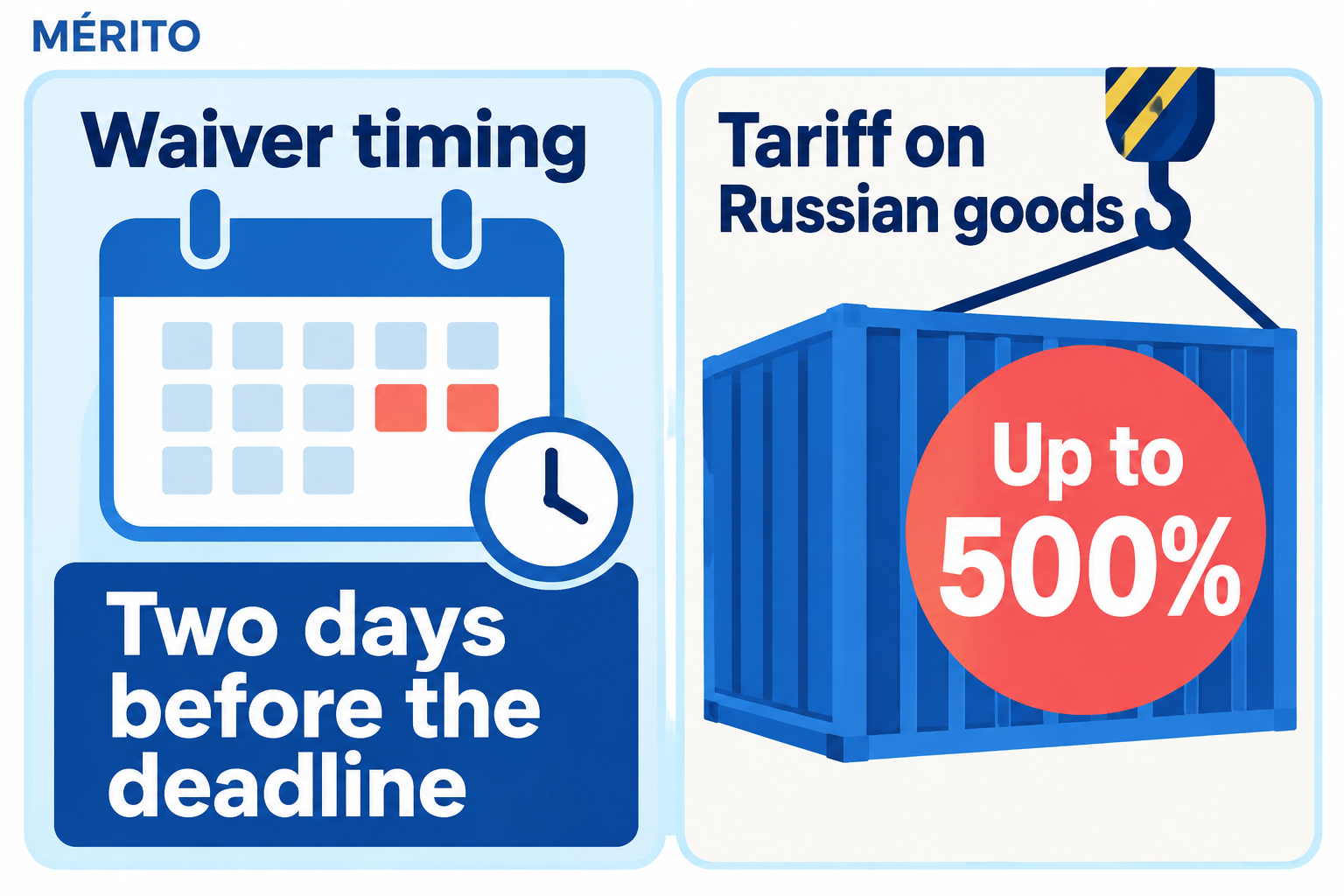
President Donald Trump waived key provisions of a new US law imposing sanctions and tariffs linked to Russia, two days before the measures were due to take effect. The law had been passed by Congress and signed by Trump the previous month; his order invoked a national-interest waiver.
The legislation was designed to increase economic pressure on Moscow over its war against Ukraine. It provided for sanctions targeting Russian officials, banks and oil-shipping networks, as well as tariffs of up to 500% on Russian goods and duties of up to 100% on the five largest purchasers of Russian oil or natural gas. The order set aside key provisions; it did not remove all existing US sanctions on Russia.
The administration’s stated rationale
Trump said he was negotiating peace in the war between Russia and Ukraine and did not want measures that might drive Moscow away from the bargaining table. In a Truth Social post, he also said “great progress” was being made and referred to “current hostage negotiations”, without specifying who was involved.
Secretary of State Marco Rubio described the decision as a 60-day pause to analyse its potential effects on the US and global economies.
The decision followed Trump’s announcement the previous week of an arrangement for Russian diesel to be supplied to the market, which he said was intended to ease energy prices. The waiver and diesel announcement are separate measures; the available evidence does not establish that either has lowered prices or produced progress in negotiations.
Zelensky warns the waiver could encourage Russia
Ukrainian President Volodymyr Zelensky criticised the waiver, calling it wrong and saying it “only helps the Russians”. He warned that weakening pressure on Russia would encourage Vladimir Putin to continue the war and attacks on Ukraine.
US lawmakers from both parties also criticised the decision. Republican and Democratic voices in Congress objected to setting aside the sanctions provisions, with critics arguing that the move benefits Russia and undermines the purpose of the legislation.
Trump’s stated aim of keeping negotiations open contrasts with Zelensky’s warning about easing pressure on Moscow. These are their assessments; the available evidence does not establish whether the waiver will change Russia’s conduct or the prospects for a peace agreement.