Windermere feasibility study sets out major wastewater scheme
The proposed network, tunnel and treatment infrastructure would need further design and regulatory approval before a decision to proceed.
A feasibility study for the Only Rainwater into Windermere proposal sets out options to intercept wastewater and highway runoff, expand the sewer network and treat wastewater away from the lake. The estimated investment is £3.6bn to £3.7bn, but the scheme has not been approved for construction.
The figures describe proposals in a feasibility study, not completed construction.
What the feasibility study proposes
The Only Rainwater into Windermere feasibility study sets out options to intercept wastewater and highway runoff before they enter the lake, transfer wastewater for advanced treatment and expand sewer connections across the catchment. Its stated aim is to allow only rainwater to enter Windermere.
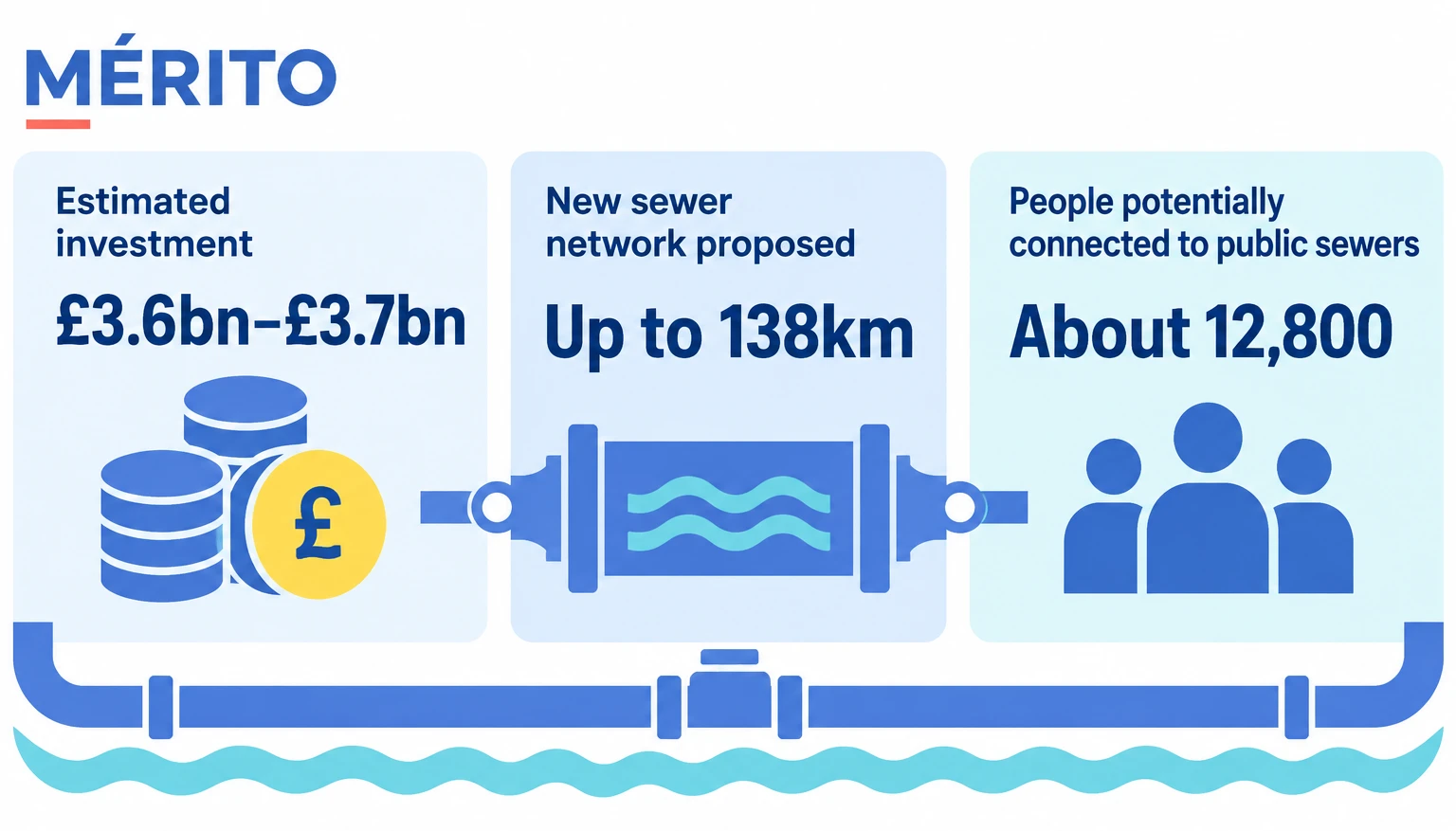
The study assessed more than 70 potential solutions and selected two options for further development. The proposals include up to 138km of new sewer network, 35km of infrastructure to intercept highway runoff and 37 hectares of sustainable drainage systems. They could connect about 12,800 people to public sewers for the first time.
Estimated cost and potential benefits
The feasibility study estimates that the proposals would require investment of £3.6bn to £3.7bn. Its economic assessment projects about £7.5bn in benefits, or approximately £1.90 for each £1 invested. These are estimates in the study, not realised returns.
The study compares the proposal with an estimated £2.5bn of incremental investment in existing infrastructure over the next century if the wider scheme does not proceed. The proposals are presented as a long-term alternative, but their costs, benefits and effects remain subject to further assessment.
Next steps remain undecided
The scheme remains at the feasibility stage. United Utilities has issued an invitation to tender for detailed design work, and the study identifies further design, planning, environmental assessment and regulatory approvals as stages before construction could begin.
The BBC reported that the government would need to decide whether the plans should be developed further. United Utilities’ published action-plan information separately describes its ongoing work at Windermere, including a £200m investment programme; that existing programme does not establish that the larger feasibility proposal has been approved or will proceed.
Explore the background
Further reading
Selected background resources to explain the context and concepts behind this story.
Understand the historical trajectory of water quality degradation and recovery in Windermere.
The State of Windermere in 2024
This report provides the scientific baseline for the feasibility study, detailing how sewage inputs and detergents affected phosphorus levels from 1945 to 1991, which is essential context for the proposed infrastructure changes.
Identify the regulatory framework and financial constraints governing United Utilities' infrastructure investments.
Overview of United Utilities' PR24 final determination
As the regulator for the water industry, Ofwat's determination outlines the specific performance targets and funding allocations that shape how United Utilities can approach the £3.6bn investment required for the Windermere scheme.
Map the collaborative governance structure and workstreams involved in the 'Only Rainwater into Windermere' initiative.
Windermere Integrated Science Plan (WISP)
The Integrated Science Plan clarifies the roles of different partners, including United Utilities and the Environment Agency, and defines the strategic workstreams that the feasibility study is designed to address.
Assess the current environmental status and monitoring protocols for Windermere's bathing waters.
Love Windermere - Lake District National Park
Provided by the Lake District National Park Authority, this resource offers official data on water quality ratings and monitoring sites, helping readers understand the baseline conditions that the new wastewater scheme aims to protect.
External links selected for their educational value. They are separate from the sources used to report this story.
Editorial transparency
Article integrity
These checks apply to the published version. Changes to its content or evidence require a fresh review.
Veracidad
Aprobado
Comprueba que la pieza tenga fuentes declaradas y verificadas, que el nivel de evidencia se presente correctamente y que el desarrollo sea suficiente para sostener sus afirmaciones.
100/100
Analizado 22/10/2026 01:36 · rules-v1
Ausencia de sesgo
Aprobado
Busca lenguaje emocional, descalificaciones, generalizaciones absolutas y una voz editorial impropia de una noticia. También comprueba atribuciones y pluralidad de fuentes cuando la materia es sensible.
100/100
Analizado 22/10/2026 01:36 · rules-v1
Ausencia de clickbait
Aprobado
Evalúa si el titular cuenta el hecho principal sin ocultarlo para provocar curiosidad, sin promesas exageradas y sin recursos tipográficos engañosos.
100/100
Analizado 22/10/2026 01:36 · rules-v1
Coherencia editorial
Aprobado
Contrasta titular, subtítulo, resumen y cuerpo para detectar contradicciones, cifras sin respaldo o un alcance mayor del que permite la información disponible.
100/100
Analizado 22/10/2026 01:36 · rules-v1
Plagio y originalidad
Aprobado
Compara la prosa con los extractos de las fuentes utilizadas y con hasta 250 publicaciones recientes de Mérito para detectar copia extensa o una reescritura demasiado cercana.
100/100
Analizado 22/10/2026 01:36 · rules-v1
Conflictos de interés
Aprobado
Analiza posibles relaciones entre la autoría, el medio y las fuentes, así como patrocinio, lenguaje promocional o dependencia exclusiva de comunicados de prensa.
100/100
Analizado 22/10/2026 01:36 · rules-v1
The score is a quality-control indicator, not a probability that something is true.